Is a Manuel Antonio Waterfall Rappelling Tour Safe for Beginners?
If you’ve ever dreamed of descending beside a tropical waterfall surrounded by lush rainforest, you’re not alone. A Manuel Antonio Costa Rica waterfall rappelling tour is one of the region’s most exciting outdoor adventures, combining canyoning, hiking, waterfalls, and breathtaking jungle scenery into one unforgettable experience.
For many first-time visitors, however, one question comes to mind before booking:
Is waterfall rappelling safe for beginners?
The short answer is yes. Most waterfall rappelling Manuel Antonio tours are specifically designed to accommodate people with little or no previous rappelling experience. Professional guides, high-quality equipment, and carefully selected waterfall routes allow beginners to experience the thrill of descending waterfalls in a controlled and supportive environment.
In this guide, we’ll explain how these tours work, the safety procedures involved, who can participate, and why waterfall rappelling has become one of the most popular adventure activities near Manuel Antonio.
What Is Waterfall Rappelling?
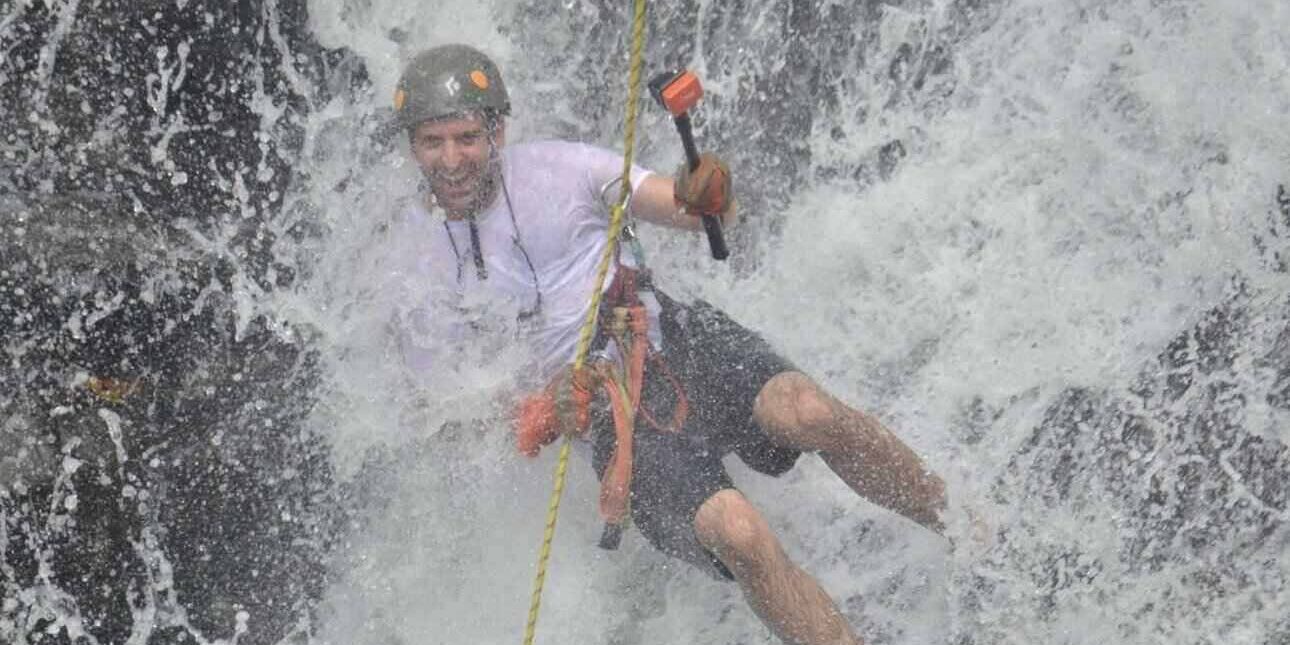
Waterfall rappelling, often referred to as canyoning, involves descending down natural rock faces using ropes while water flows beside or beneath you. Unlike rock climbing, participants are gradually lowered down steep sections with the help of specialized equipment and trained guides.
During a typical Manuel Antonio Costa Rica waterfall rappelling tour, you’ll also enjoy:
- Rainforest hiking
- River crossings
- Scenic canyon walks
- Natural swimming pools
- Wildlife observation
- Beautiful waterfall viewpoints
The experience is much more than simply rappelling—it’s a complete rainforest adventure.
Designed with Beginners in Mind
One of the biggest misconceptions about waterfall rappelling is that it’s only for experienced climbers.
In reality, most visitors have never rappelled before arriving in Costa Rica.
Tour operators understand this and have developed programs that introduce beginners step by step.
Before anyone begins the descent, guides explain:
- How the equipment works
- Proper body position
- Brake-hand technique
- Walking backward on the rock face
- Communication signals
- Safety procedures
You’ll have plenty of opportunities to ask questions before the adventure begins.
Professional Guides Make the Difference
The success of any waterfall rappelling Manuel Antonio experience depends on the expertise of the guides.
Experienced guides are trained to:
- Fit your safety equipment correctly
- Demonstrate proper techniques
- Check every connection
- Control the ropes throughout the descent
- Provide encouragement
- Assist nervous participants
- Monitor changing weather conditions
Rather than rushing guests, guides move at a comfortable pace so everyone feels confident before descending.
High-Quality Safety Equipment
Modern canyoning equipment is specifically designed for waterfall environments.
During your Manuel Antonio Costa Rica waterfall rappelling tour, you’ll typically be provided with:
Helmet
Protects your head from accidental contact with rocks or branches.
Climbing Harness
A professionally fitted harness distributes your weight evenly and connects securely to the rope.
Ropes
Commercial-grade static ropes are designed specifically for rappelling.
They undergo regular inspections and replacements when necessary.
Carabiners
Heavy-duty locking carabiners create secure attachment points between the harness and rope system.
Gloves (When Provided)
Some operators provide gloves to improve grip and comfort during the descent.
Every Guest Receives Equipment Checks
Before entering the canyon, guides inspect every participant’s equipment.
They verify:
- Helmet fit
- Harness adjustment
- Rope attachment
- Carabiner locks
- Safety backup systems
These checks are repeated throughout the tour whenever necessary.
Safety Briefings Before Every Descent
No participant begins rappelling without a complete safety orientation.
Topics usually include:
- Correct body posture
- Keeping your feet shoulder-width apart
- Maintaining balance
- Leaning back into the harness
- Rope control
- How guides communicate
- What to do if you feel nervous
The briefing helps beginners understand exactly what will happen before they step onto the rock.
Practice Before the Main Waterfalls
Many tours include an introductory rappel before reaching larger waterfalls.
This practice descent allows beginners to:
- Build confidence
- Learn rope handling
- Become comfortable with the equipment
- Receive feedback from guides
By the time participants reach the main waterfall, they usually feel much more relaxed.
Waterfall Heights Are Chosen Carefully
Not every waterfall is suitable for beginners.
Professional operators select waterfalls that offer:
- Stable rock surfaces
- Secure anchor systems
- Controlled descent routes
- Safe landing zones
Rather than focusing on extreme height, beginner-friendly tours emphasize fun, confidence, and safety.
Is Waterfall Rappelling Physically Difficult?
Most beginners are surprised that rappelling requires less upper-body strength than expected.
Instead, success depends more on:
- Balance
- Listening to instructions
- Walking carefully
- Staying relaxed
The harness supports your body weight throughout the descent.
You don’t need climbing experience or exceptional athletic ability.
Who Can Participate?
A half day waterfall rappelling Manuel Antonio adventure is suitable for many travelers, including:
- Couples
- Families with older children
- Solo travelers
- Groups of friends
- First-time adventurers
- Nature lovers
Age and weight requirements vary by operator, so it’s always a good idea to confirm these details before booking.
What If You’re Afraid of Heights?
Many first-time participants worry about heights.
Fortunately, waterfall rappelling is different from standing on the edge of a cliff.
Once you’re attached to the rope system, the harness supports your weight, allowing you to focus on your footing and the guide’s instructions.
Most people find that their nervousness disappears after the first few steps.
The excitement quickly replaces the fear.
How Long Does the Adventure Last?
A typical half day waterfall rappelling Manuel Antonio experience lasts approximately four to five hours.
This usually includes:
- Hotel pickup
- Transportation
- Safety briefing
- Equipment fitting
- Rainforest hike
- Multiple rappels
- Swimming opportunities
- Snacks
- Return transportation
The schedule allows plenty of time without feeling rushed.
Weather Considerations
Costa Rica’s tropical climate creates ideal waterfall conditions throughout much of the year.
Professional operators carefully monitor:
- Rainfall
- River levels
- Water flow
- Trail conditions
If conditions become unsafe, guides may adjust the route or postpone departures.
Safety always takes priority.
Why Guided Tours Are Essential
Waterfall rappelling should never be attempted independently.
Guided tours provide:
- Professional equipment
- Trained instructors
- Emergency procedures
- Route knowledge
- Local experience
- Constant supervision
These factors dramatically reduce risks while improving the overall experience.
Common Beginner Mistakes
Fortunately, guides help prevent the most common mistakes.
These include:
Standing Too Upright
Beginners naturally want to lean forward.
Guides teach participants to lean back into the harness for better balance.
Looking Down Constantly
Instead of staring at the ground, guides encourage participants to focus on the next foothold.
Rushing
There is no need to hurry.
Slow, controlled movements create the safest descent.
Gripping Too Tightly
Relaxing improves both confidence and movement.
Wildlife Along the Way
One of the highlights of waterfall rappelling Manuel Antonio is the surrounding rainforest.
Depending on the season, you may encounter:
- White-faced capuchin monkeys
- Howler monkeys
- Scarlet macaws
- Toucans
- Blue morpho butterflies
- Poison dart frogs
- Basilisk lizards
- Colorful tropical birds
Many guides also point out fascinating rainforest plants and trees throughout the hike.
What Should You Wear?
Comfortable clothing makes the adventure much more enjoyable.
Recommended items include:
- Quick-drying athletic clothing
- Closed-toe hiking shoes or water shoes
- Swimsuit
- Lightweight towel
- Change of clothes
- Sunscreen
- Insect repellent
Avoid flip-flops and loose sandals.
What Should You Bring?
Pack only the essentials.
Recommended items include:
- Waterproof phone pouch
- GoPro with secure mount
- Reusable water bottle
- Small backpack
- Personal medications
- Extra socks
Many operators provide dry storage for personal belongings.
Is It Safe During the Rainy Season?
Yes, but conditions are evaluated daily.
The rainy season often creates:
- Fuller waterfalls
- Greener rainforest
- Cooler hiking temperatures
If water levels exceed safe operating limits, guides may modify or cancel tours.
Reputable companies never compromise safety simply to operate a tour.
Why Beginners Love Waterfall Rappelling
Many guests begin the day feeling nervous.
By the end of the tour, they often describe waterfall rappelling as one of the highlights of their Costa Rica vacation.
Reasons include:
- Professional guides
- Supportive atmosphere
- Beautiful scenery
- Safe equipment
- Gradual learning process
- Sense of accomplishment
- Incredible photo opportunities
It’s an adventure that builds confidence while allowing visitors to experience the rainforest from an entirely new perspective.
Tips for First-Time Participants
To make the most of your adventure:
- Get a good night’s sleep before your tour.
- Eat a light breakfast.
- Stay hydrated throughout the day.
- Listen carefully during the safety briefing.
- Ask questions if you’re unsure about anything.
- Move slowly and trust the equipment.
- Enjoy the scenery and don’t rush your descent.
- Bring a positive attitude and a sense of adventure.
These simple tips can make your first canyoning experience even more enjoyable.
Frequently Asked Questions
Do I need previous rappelling experience?
No. Most participants on a Manuel Antonio Costa Rica waterfall rappelling tour are complete beginners.
Is the equipment included?
Yes. Tours typically provide all required safety gear, including helmets, harnesses, ropes, and other technical equipment.
Can children participate?
Many operators welcome older children who meet minimum age and height requirements. Check with the tour provider for specific guidelines.
Is swimming required?
Not always. Some tours include optional swimming in natural pools, but the rappelling itself does not require advanced swimming skills.
What happens if it rains?
Light rain is common in Costa Rica and often enhances the experience. Guides continually assess weather and water conditions and will modify or postpone tours if safety is affected.
Are guides with us during every rappel?
Yes. Guides supervise every descent, manage the rope systems, and provide instruction and encouragement from start to finish.